
Author : Evermethod, Inc. | December 22, 2025
.png/preview.png?t=1721195409615)

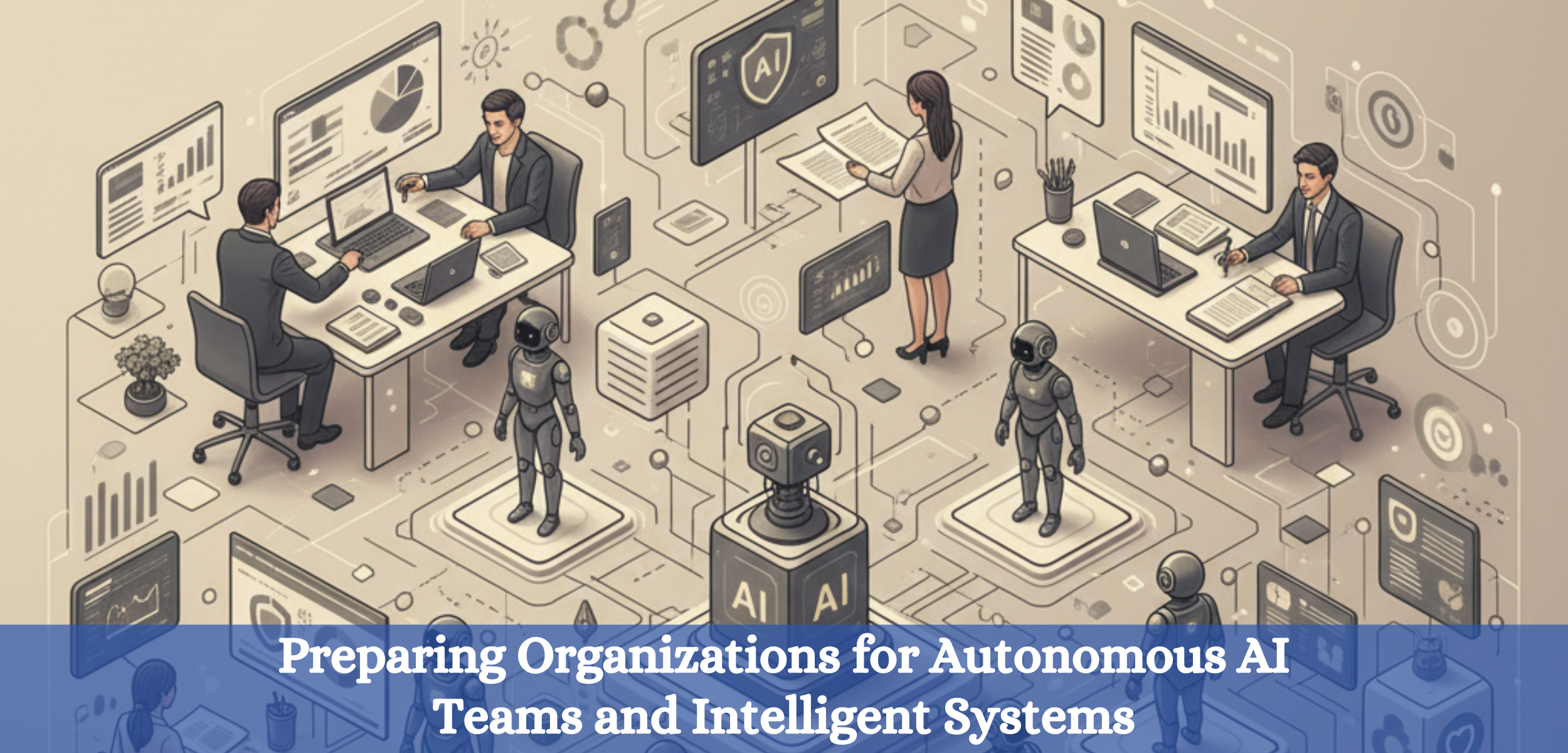
Autonomous AI teams are no longer a future concept reserved for research labs. They are already being deployed across enterprises to plan tasks, make decisions, coordinate actions, and continuously learn with minimal human intervention. As these systems move from isolated tools to active participants in organizational workflows, the real challenge is no longer about building the AI. It is about preparing the organization around it.
Many companies invest heavily in models, platforms, and infrastructure, yet struggle to see meaningful outcomes. The reason is simple. Autonomous AI systems demand organizational readiness at multiple levels: technical, operational, cultural, and governance-driven. Without alignment across these layers, even the most advanced AI teams fail to deliver value.
This article explores what it truly takes to prepare organizations for autonomous AI teams and intelligent systems, moving beyond surface-level adoption into sustainable, scalable integration.
Understanding Autonomous AI Teams in an Enterprise Context
Autonomous AI teams differ fundamentally from traditional automation or decision-support systems. Instead of executing predefined rules, these systems operate with goals, memory, and the ability to collaborate with other agents or humans. They plan actions, adapt to new data, and optimize outcomes over time.
In an enterprise setting, this means AI systems may autonomously manage workflows, negotiate resources, generate insights, or even trigger downstream actions across departments. This level of autonomy changes the nature of control, accountability, and trust within the organization.
To support this shift, leaders must stop thinking of AI as software and start thinking of it as a new kind of workforce. One that requires onboarding, supervision models, performance evaluation, and clear boundaries.
Organizational Design Must Evolve Before AI Does
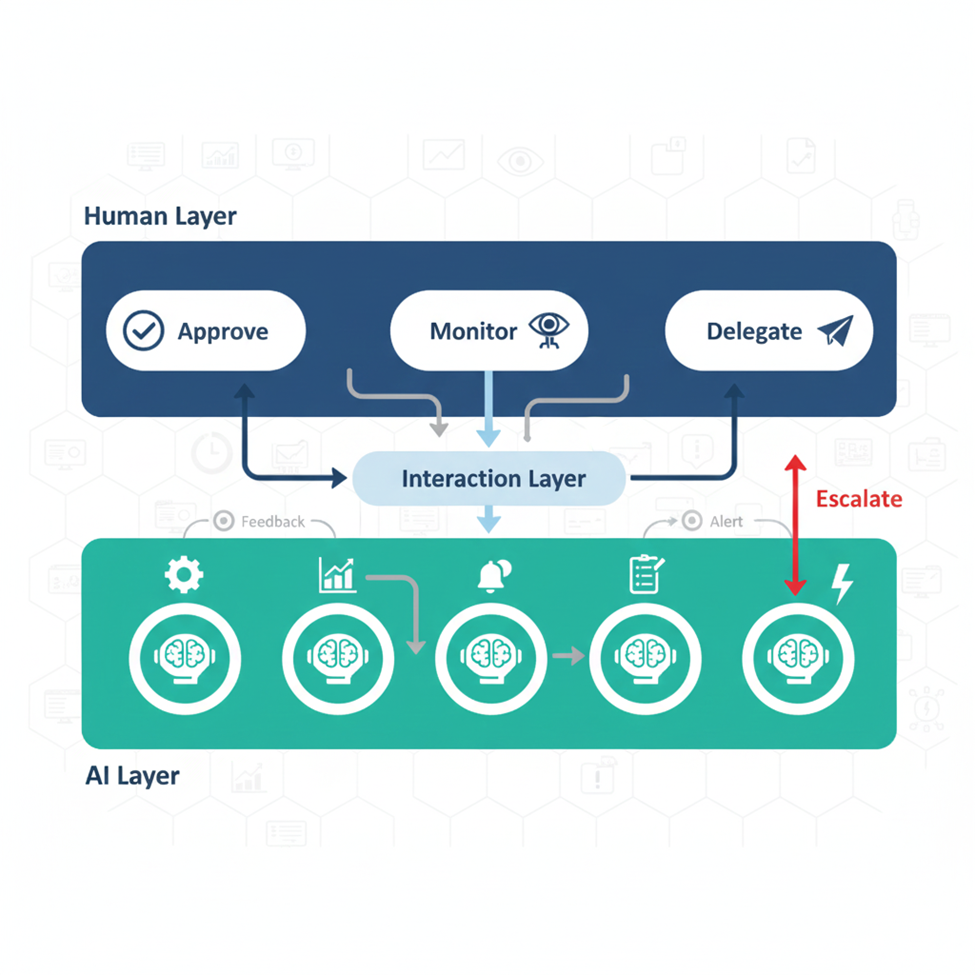
Most organizations are still structured around linear decision-making and human-centric approval chains. Autonomous AI teams thrive in environments designed for speed, feedback, and decentralized execution. When placed inside rigid hierarchies, they become bottlenecked or underutilized.
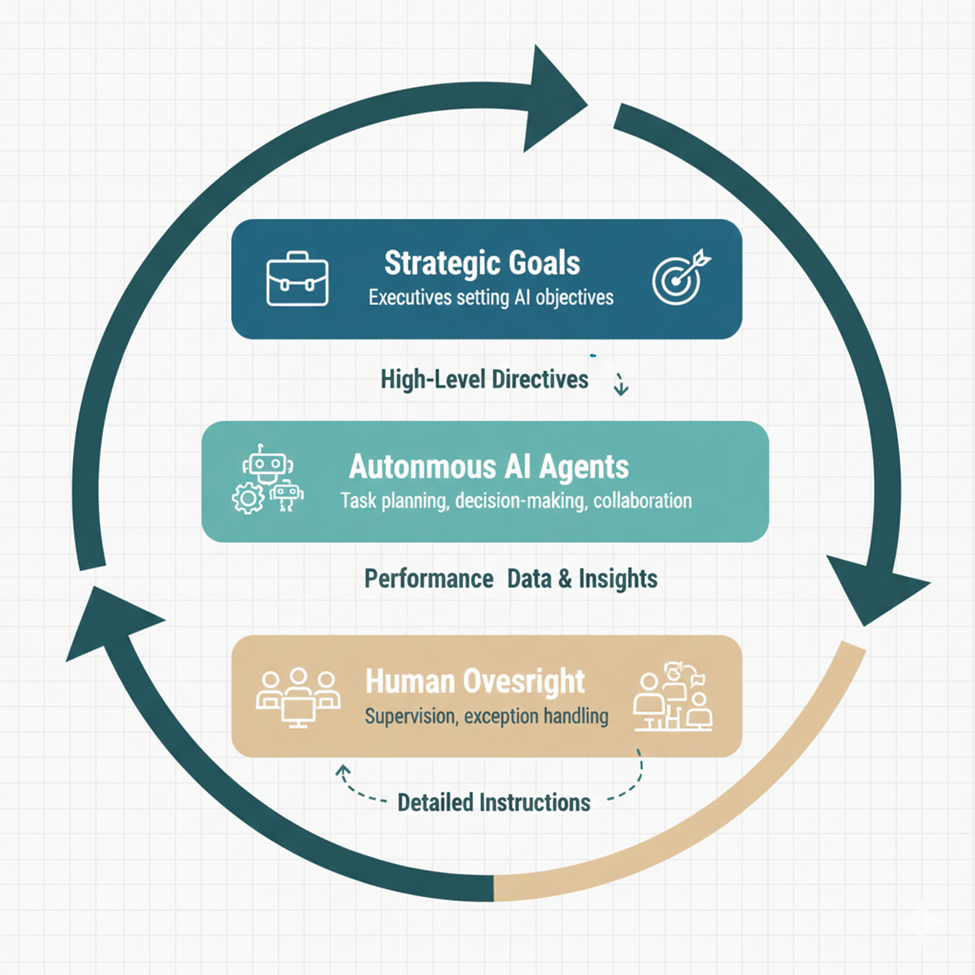
Effective preparation begins with redesigning how decisions flow. AI teams need clear objectives, defined authority levels, and integration points with human teams. This does not mean removing humans from the loop entirely. It means redefining where human judgment adds the most value.
In practice, organizations that succeed tend to:
- Separate strategic intent from operational execution
- Allow AI systems to operate within clearly defined decision boundaries
- Create escalation paths where AI hands off to humans only when needed
This structural clarity prevents confusion, duplication, and resistance while allowing autonomy to function as intended.
Technical Foundations Must Support Continuous Autonomy
Autonomous AI teams depend on far more than model accuracy. They require a robust technical backbone that supports orchestration, monitoring, learning, and adaptation.
Data architecture is the first critical layer. AI agents must access high-quality, well-governed data in near real time. Fragmented or poorly maintained data pipelines quickly degrade autonomy and decision quality.
Equally important is system observability. Organizations need visibility into what AI agents are doing, why they are doing it, and how outcomes evolve over time. This requires more than dashboards. It requires event tracking, decision logging, and performance feedback loops.
At a technical level, readiness often includes:
- Agent orchestration frameworks to manage coordination and task handoffs
- Monitoring systems that track behavior, drift, and anomalies
- Feedback mechanisms that allow AI systems to learn safely within constraints
Without these foundations, autonomy becomes risky rather than empowering.
Governance Must Shift from Control to Guardrails
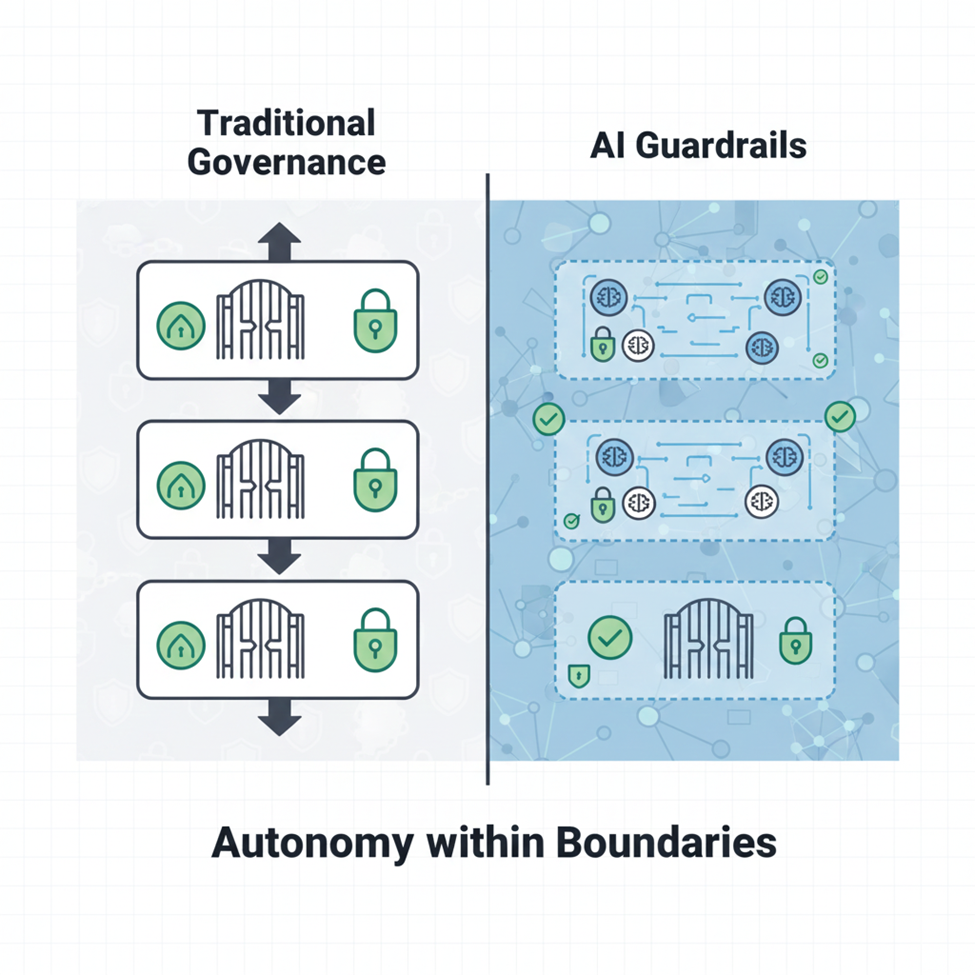
One of the biggest mistakes organizations make is applying traditional governance models to autonomous systems. Heavy approval processes and static rules slow down systems designed to adapt and act.
Modern AI governance focuses on guardrails rather than gates. Instead of approving every action, organizations define acceptable behaviors, risk thresholds, and ethical boundaries. Within these limits, AI teams operate freely.
This approach requires collaboration between technical leaders, legal teams, compliance officers, and business stakeholders. Governance becomes a living framework rather than a static policy document.
Well-designed governance typically addresses:
- Accountability for AI-driven decisions and outcomes
- Clear ownership of models, agents, and decision domains
- Risk management for bias, safety, and unintended consequences
When governance is embedded into system design rather than layered on top, autonomy and compliance can coexist.
Workforce Readiness Is as Important as AI Capability
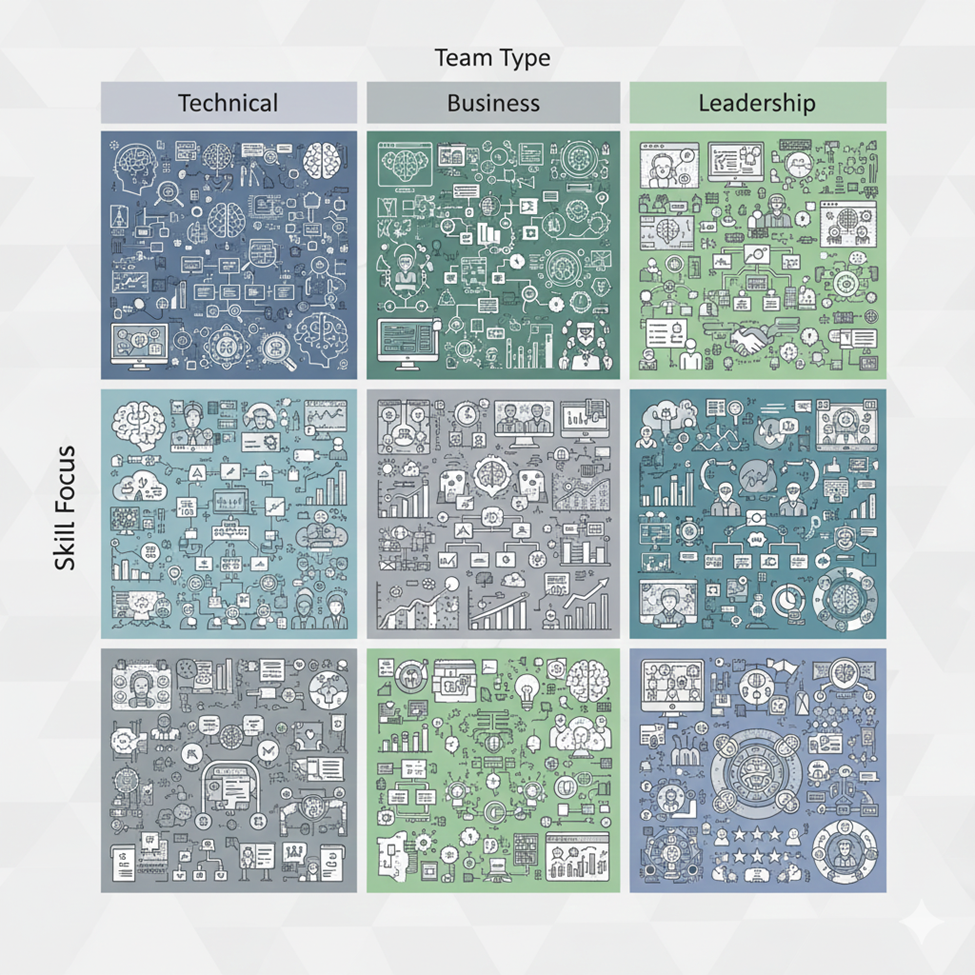
Autonomous AI teams change how people work, not just what tools they use. Employees must understand how to collaborate with AI systems, interpret their outputs, and intervene effectively when needed.
This requires a shift in skills and mindset. Analytical thinking, systems thinking, and AI literacy become essential across roles, not just within technical teams. Resistance often arises not from fear of AI, but from uncertainty about roles and relevance.
Organizations that prepare their workforce invest in education early. They explain what autonomy means, where human expertise remains critical, and how success will be measured. Transparency builds trust and reduces friction.
Rather than replacing teams, autonomous AI often amplifies human capability when integration is done thoughtfully.
Scaling Autonomous AI Without Losing Control
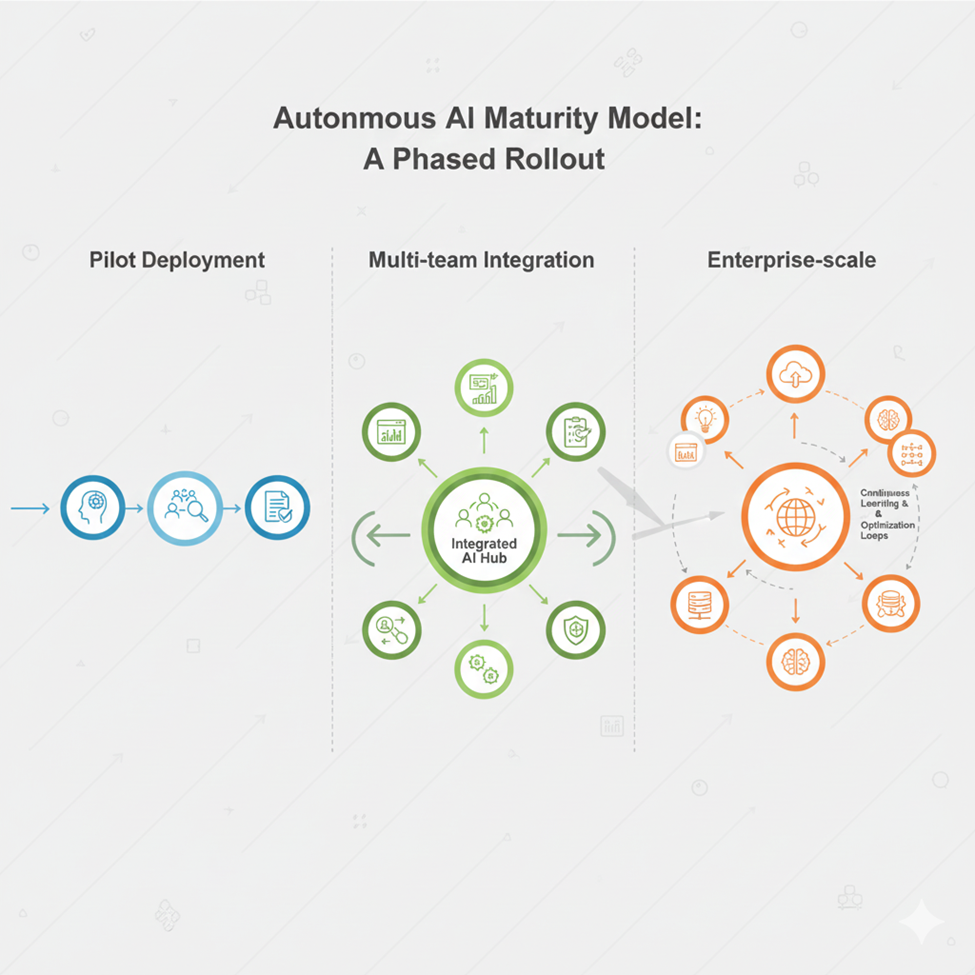
Pilots are easy. Scaling is hard. As autonomous AI teams expand across functions, complexity increases rapidly. Systems interact, decisions compound, and risks multiply.
Successful scaling depends on standardization without rigidity. Common interfaces, shared governance principles, and reusable infrastructure allow teams to grow without reinventing foundations each time.
Importantly, organizations must treat scaling as a learning process. Early deployments reveal assumptions that rarely hold at enterprise scale. Feedback from both humans and AI systems should continuously refine design, governance, and operations.
From Experimentation to Long-Term Advantage
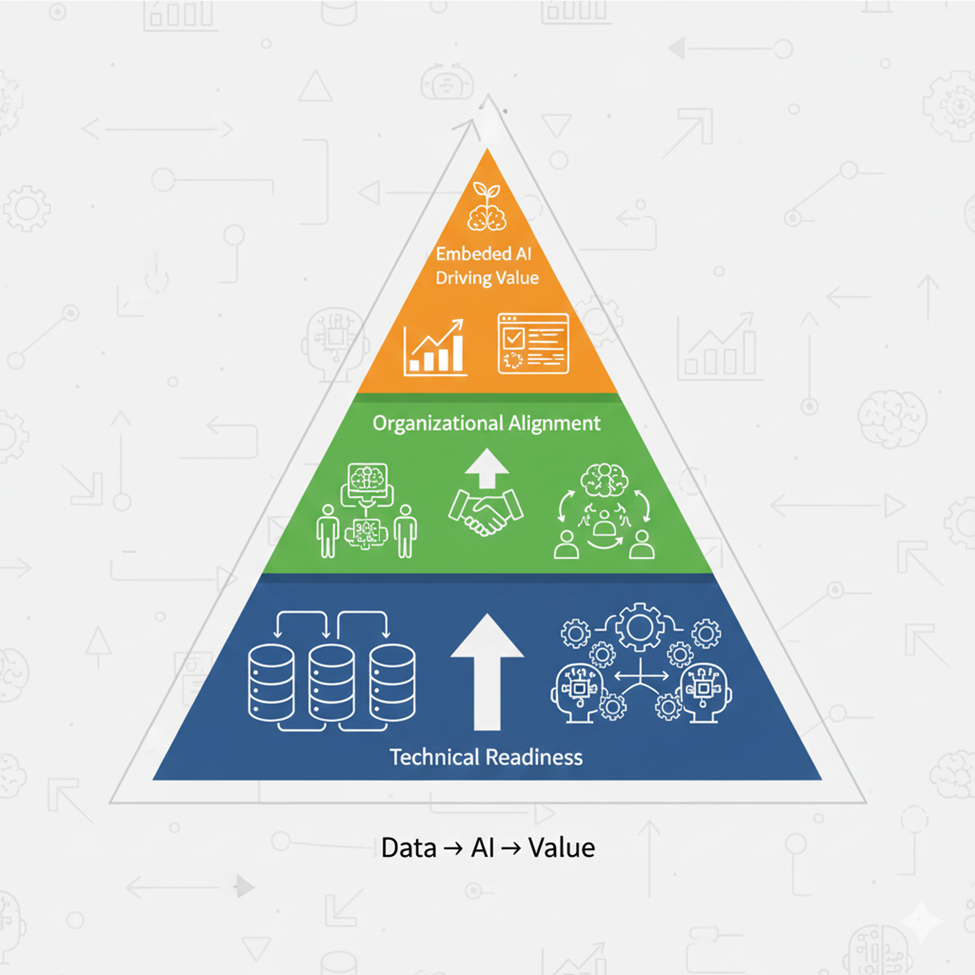
Preparing for autonomous AI teams is not a one-time initiative. It is an ongoing transformation that touches strategy, culture, technology, and leadership. Organizations that approach it as a narrow technical upgrade often stall. Those that treat it as an organizational evolution build lasting advantage.
The real payoff comes when AI systems are trusted, aligned, and embedded deeply enough to operate as true collaborators. At that point, speed increases, decisions improve, and human teams focus on higher-value work.
Lead the Future with Intelligent AI Teams
Autonomous AI is reshaping how organizations operate, compete, and grow. The question is no longer whether to adopt it, but whether to do so deliberately and responsibly.
Organizations that prepare thoughtfully today will define the standards, capabilities, and leadership models of tomorrow.
If your organization is serious about moving beyond experimentation and building autonomous AI systems that deliver real, scalable impact, it is time to work with partners who understand both the technology and the organizational transformation it demands.
Evermethod Inc helps enterprises design, govern, and operationalize autonomous AI teams with clarity, control, and confidence. Now is the moment to turn intelligent systems into intelligent organizations.
%2013.png)